Evidence based Trauma & PTSD Hypnotherapy
Gentle, Effective Trauma Recovery
Evidence based Trauma & PTSD Hypnotherapy
Gentle, Effective Trauma Recovery
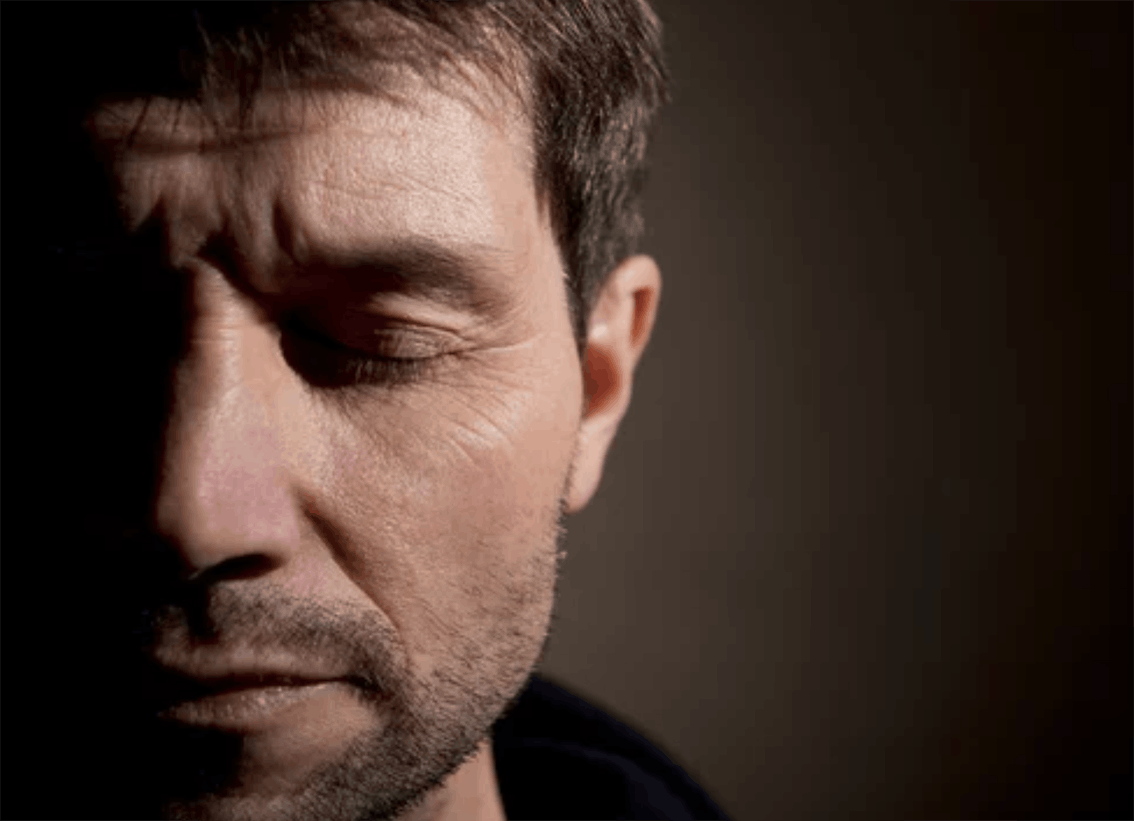
• Living with the effects of trauma or PTSD can feel like carrying an invisible burden that colours every aspect of your life. Intrusive memories, emotional numbness, hyper vigilance, nightmares, or being triggered by seemingly innocuous situations—trauma's impact extends far beyond the original event.
• At Melbourne Strategic Hypnotherapy in Caulfield North, we help clients throughout Brighton, Malvern, and Melbourne's bayside suburbs recover from trauma using gentle hypnotherapy techniques that don't require you to relive distressing experiences in detail.
• Our approach addresses trauma at the subconscious level where traumatic memories are stored, helping your nervous system process and release what it's been holding onto, often for years or decades.
Trauma isn’t just a memory — it’s a neurological and physiological imprint that can change how your brain and body respond to the world. When a traumatic event occurs, your brain’s threat system activates to protect you. For some people, that survival response doesn’t switch off, leaving the nervous system stuck in a state of constant high alert.
This ongoing activation can trigger a wide range of symptoms:
Re-experiencing: Intrusive memories, flashbacks, or nightmares that make the trauma feel as if it’s happening again.
Avoidance: Steering clear of people, places, or thoughts that remind you of the event. While protective in the short term, avoidance prevents natural emotional processing.
Hyperarousal: Chronic tension, irritability, sleep disturbance, and exaggerated startle responses — all signs the nervous system still perceives threat.
Negative mood and cognition: Persistent fear, guilt, or shame; loss of trust; emotional numbness; and disconnection from others.
Dissociation: Feeling detached from your body or emotions, or experiencing moments where time seems to blur.
These symptoms often overlap with related conditions such as anxiety, chronic stress, and insomnia
. In many cases, individuals also turn to smoking or other coping habits as a way to manage emotional overwhelm.
Traditional talk therapy can be helpful but sometimes requires revisiting traumatic memories in detail, which can inadvertently re-trigger distress. Strategic Hypnotherapy provides a gentler, neuroscience-informed alternative. By working directly with the subconscious, hypnotherapy helps the brain safely reprocess traumatic experiences, calm the overactive threat response, and restore a sense of safety and control — without needing to relive every painful moment.
This integrated approach supports both emotional healing and nervous system regulation, helping clients rebuild trust in themselves, reconnect with others, and experience deeper, restorative sleep
as their body and mind return to balance.
• Clinical studies demonstrate hypnotherapy's effectiveness for trauma and PTSD:
• Research published in the American Journal of Clinical Hypnosis found that hypnotherapy produced significant reductions in PTSD symptoms including intrusive thoughts, hyper-arousal, and avoidance behaviours. Participants reported feeling calmer and more in control after treatment.
•
A study in the International Journal of Clinical and Experimental Hypnosis showed that trauma-focused hypnotherapy helped clients process traumatic memories without the emotional overwhelm often experienced in exposure-based therapies. The gentle nature of hypnotherapy allowed processing to occur while clients remained emotionally regulated.
• The Journal of Traumatic Stress published research indicating that hypnotherapy combined with cognitive techniques produced substantial improvements in PTSD symptoms, with many participants no longer meeting diagnostic criteria for PTSD following treatment.
• Neuroscience research reveals that hypnosis can help "recode" traumatic memories, changing how they're stored in the brain so they become processed memories rather than present threats.
Study link here
Meta-Analysis of the Effectiveness Magnitude of Hypnosis on Post-traumatic Stress DisorderTreatment
• Initial Assessment: Understanding Your Experience Safely
• Your first session (60-90 minutes) begins with careful, trauma-informed assessment:
• The nature of traumatic experiences (only what you're comfortable sharing)
• Current symptoms and how they impact your daily life
• Triggers that activate your trauma response
• Coping strategies you currently use
• Your support system and resources
• Your goals for recovery and what healing would mean to you
• Importantly, you never have to share more detail than feels safe. Hypnotherapy doesn't require extensive conscious discussion of traumatic events to be effective.
• This assessment helps us understand your unique situation and create a personalised treatment approach that respects your pace and comfort level.
Hypnotherapy Sessions: Gentle Processing and Integration
During hypnotherapy, you enter a deeply relaxed state where healing work can occur safely.Our trauma-focused approach includes:
Nervous system regulation: Before addressing trauma directly, we teach your nervous system how to return to calm. This creates a foundation of safety essential for trauma work. You learn to access states of relaxation and security, often for the first time since the trauma.
• Resource building: We strengthen internal resources like feelings of safety, confidence, and control. Creating these positive states gives your nervous system alternatives to the traumatic responses it's been stuck in.
• Containment techniques: You learn how to "contain" traumatic material so it doesn't overwhelm you between sessions. This gives you control over when and how you engage with difficult memories.
Reprocessing traumatic memories: Using specialised hypnotherapy techniques, we help your brain reprocess traumatic memories. This happens at the subconscious level—you may notice changes without having to consciously relive the trauma in detail. The memories remain, but they lose their emotional intensity and stop feeling like present threats.
•Changing trauma-related beliefs: Trauma often installs false beliefs: "I'm not safe," "I'm powerless," "It was my fault," "I can't trust anyone." Through hypnotherapy, we identify and transform these limiting beliefs, replacing them with more accurate, empowering perspectives.
Neutralising triggers: Situations that currently activate your trauma response can be desensitised through hypnotherapy. Your brain learns that these triggers aren't actual threats, reducing their power over you.
Integrating fragmented experiences: Sometimes trauma causes dissociation or fragmentation of experience. Hypnotherapy can gently facilitate integration, helping you feel more whole and present.
Rebuilding sense of safety: Perhaps most importantly, we help your nervous system relearn that you're safe now, allowing you to move from survival mode into living mode.
The 6-10 Session Journey (Typically)
• Trauma recovery is a process, not an event. Most clients benefit from 6-10 sessions over several months, though this varies based on trauma complexity:
Sessions 1-3: Establishing safety, building resources, learning nervous system regulation techniques. Some gentle processing of traumatic material may begin if you're ready.
Sessions 4-7: Deeper reprocessing work on traumatic memories and experiences. Addressing triggers and trauma-related beliefs. Building confidence and reclaiming life activities.
Sessions 8-10: Integration, consolidating gains, addressing any remaining issues, building long-term resilience and relapse prevention strategies.
Some clients with single-incident trauma may need fewer sessions, while those with complex trauma or childhood trauma may benefit from extended treatment. We move at your pace—healing can't be rushed.
Between sessions, you'll receive recordings for nervous system regulation and resource building. These help maintain stability and support ongoing healing.
Healed from car accident trauma: "Two years after a serious car accident, I was still having panic attacks every time I got in a vehicle. I'd also developed general anxiety and couldn't sleep. I'd tried traditional therapy but talking about the accident in detail made me feel worse. The hypnotherapy was completely different—gentle but powerful. Over eight sessions, I processed the trauma without having to relive it consciously. The panic attacks stopped, I'm driving again confidently, and I finally feel like myself."
Recovered from workplace assault: "After being assaulted at work, I couldn't return to my job. I was hyper-vigilant, had nightmares, and couldn't concentrate. Any sudden movement or loud noise would send me into panic mode. I felt broken. Through hypnotherapy, my nervous system gradually learned to calm down. The therapist never forced me to describe the assault in detail, but somehow the work we did helped me process it. After ten sessions, I returned to work. The hyper-vigilance is mostly gone, and I'm sleeping through the night."
Healing from childhood trauma: "I'd carried childhood trauma for over 20 years. It affected my relationships, self-worth, and ability to feel safe anywhere. Traditional therapy helped me understand what happened, but understanding didn't change how I felt. Hypnotherapy worked at a deeper level—it actually changed how the trauma was stored in my system. After 12 sessions, I feel lighter than I've ever felt. The memories are still there, but they don't control my life anymore. I can finally have healthy relationships and trust people."
Gentle processing without re-traumatisation:
Unlike exposure therapy that requires detailed recounting of trauma, hypnotherapy works indirectly at the subconscious level. Many clients heal without having to consciously relive their most painful experiences.
• Addresses the nervous system directly: Trauma lives in your nervous system, not just your thoughts. Hypnotherapy provides direct nervous system regulation, teaching your body to exit survival mode.
Respects your pace:
We never push you to address material you're not ready to process. Healing happens when your system feels safe enough to release what it's holding.
Comprehensive approach:
We combine hypnotherapy with trauma-informed cognitive techniques, providing both subconscious processing and conscious coping strategies.
Addresses complex trauma:
For developmental trauma or complex PTSD from repeated experiences, our approach can work with the underlying patterns and beliefs created by cumulative trauma.
Integrative healing:
Rather than just reducing symptoms, we facilitate genuine integration and healing, helping you reclaim your life and sense of self.
Single-incident trauma (one traumatic event like an accident, assault, or natural disaster) often responds well to focused hypnotherapy in 6-8 sessions. The goal is to help your nervous system recognise the event is over and you're safe now.
Complex trauma (repeated trauma, childhood abuse or neglect, developmental trauma) typically requires longer treatment—often 10-15+ sessions. Complex trauma affects core beliefs about safety, trust, and self-worth, requiring more comprehensive work.
Our approach adapts to your specific situation. During your consultation, we'll discuss realistic expectations for your circumstances.
PTSD has one of the highest psychiatric comorbidity profiles of all mental health conditions. Most individuals with PTSD meet criteria for at least one additional diagnosis during their lifetime.
Frequently associated conditions include:
Depression, often secondary to trauma exposure
Anxiety disorders, including panic and generalised anxiety
Insomnia, due to hyper-arousal and nightmares
Addictions, particularly alcohol and substance use
👉 You may also wish to explore
Depression | Anxiety | Insomnia | Addictions